




Pure Sine vs Modified: 3kW Inverter Choice for RVs
This article explains the difference between pure sine and modified waveforms and why that matters for RV owners choosing a 3kW inverter. It covers typical 3kW uses (lighting, device charging, small appliances), which appliances are waveform‑sensitive, a practical buying checklist and installation considerations, plus
Choosing an inverter for your RV is a bit like picking a go‑to jacket: silhouette, fit and fabric feel determine how well it works with the rest of your kit. The core choice—pure sine or modified wave—is really about waveform 'feel': pure sine gives a smooth, continuous curve that treats sensitive electronics gently, while modified wave is chunkier and fine for basics.
This guide looks at how 3kW inverters handle everyday RV life (lighting, charging, a few appliances), which appliances prefer pure sine, a practical buying checklist and installation pointers, and when a SRNE RIC12-3kW pure sine option makes sense.
Pure sine vs modified wave: why it matters for RV owners
Pure sine and modified wave describe the actual shape of the alternating current your inverter delivers. Pure sine outputs a smooth, continuous curve; modified wave steps the voltage into rough, blocky segments. That shape matters because many electrical systems and sensitive electronics behave differently depending on how cleanly that AC is presented.
Plain-language distinction: what the waveforms look like and why shape matters
Think of waveform shape like fabric drape. A pure sine is silk—smooth, even, and predictable against the skin. A modified wave is like a coarse woven—it keeps you covered but has edges and texture that can rub. Devices expect the steady, sinusoidal flow of a pure sine; when they get stepped or jagged voltage, timing and thermal patterns shift.
In practical terms, the waveform controls the electrical ‘fit’ inside a device: motors, power supplies, and signal circuits run cleaner with a smooth curve. The difference is not academic—it's how power is delivered every second your RV is running.
Real-world consequences for RVs: reliability, noise and interference
On the road, a mismatched waveform shows up as humming fans, motors that run hotter or louder, and audio or radio hiss. That’s equivalent to an outfit that looks good on the hanger but binds during wear—performance degrades under real conditions. Electrical noise can also interfere with AV gear and communication equipment, creating frustration and reducing the enjoyment of your trip.
Choosing a waveform is therefore a style decision for your power system: do you prioritize a flawless, tailored fit or accept a more economical, utilitarian cut?
Consider these trade-offs when sizing up options:
- Initial cost vs long-term wear: smoother power costs more up front but can reduce stress on electronics over time.
- Performance under load: pure sine maintains predictable behavior when many items run together.
- Noise and interference: clean waveforms minimize audible and RF disturbances.
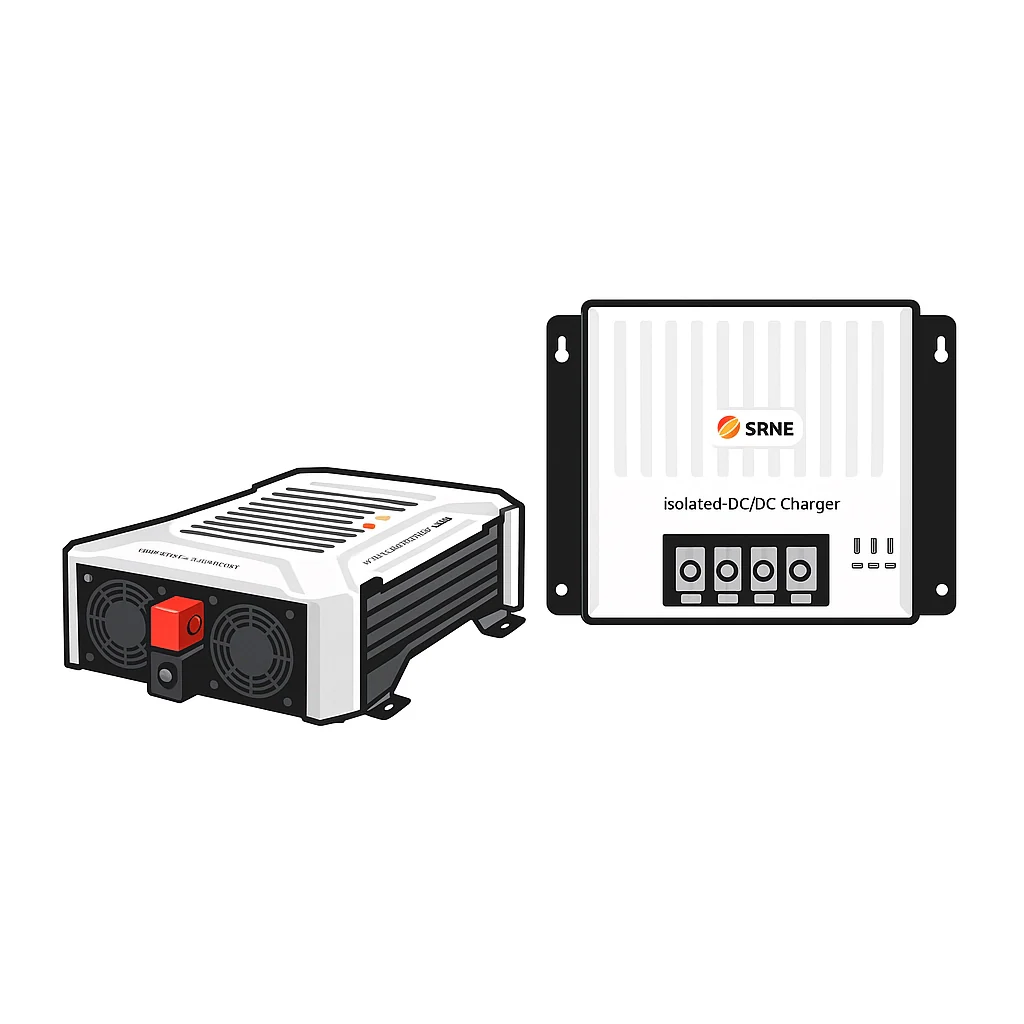
If you prefer the tailored finish, a pure sine inverter—such as the SRNE RIC12-3kW Pure Sine Wave Inverter / Charger listed for 12V systems delivering 240V AC—illustrates that higher-end option. If budget and simple loads dominate, a modified wave can be a practical, less costly choice, but with clear risks to sensitive or valuable gear.
How 3kW inverters perform in common RV setups
A 3kW inverter typically covers the everyday electricity needs of most campers: think lighting, charging electronics, and running a handful of small appliances. In practice it behaves like a well-tailored coat — it fits compact rigs neatly, handles layered mid-size needs with a little planning, and starts to strain when you try to wear it as a one-piece solution for full-size motorhome heavy lifting.
Compact campervan / weekend rig
For a compact campervan, a 3kW inverter is the easy-fitting staple. It comfortably serves LED lights, phone and laptop charging, small fans, and occasional kettles or low-draw cooking devices. The feel is like a slim-fit sweater: minimal bulk, good mobility, and predictable comfort for short trips or weekend use.
Mid-size RV / boondocking
In a mid-size RV the silhouette becomes layered. A single 3kW continuous inverter can run a 12V fridge, handle microwave bursts, and power a TV or laptop — but not all with infinite headroom. Expect to manage on-off cycles and short high-draw bursts rather than simultaneous heavy use. Think of it as smart layering: combine the inverter with a modest battery bank, conserve where possible, and avoid wearing every layer at once.
| RV Type | Typical loads | How 3kW handles it | Practical tip |
|---|---|---|---|
| Compact campervan | LED lights, phone/Laptop, small appliances | Comfortable for typical weekend use | Keep loads simple; prioritize essentials |
| Mid-size RV | Fridge, microwave bursts, TV/Laptop | Works with short bursts; limited concurrent headroom | Stagger use; monitor battery state |
| Full-size motorhome | Multiple motors, large AC, heavy loads | May struggle with concurrent high-startup devices | Use load management or additional sources |
Full-size motorhome / extended off-grid
In full-size motorhomes a single 3kW unit often hits style limits. Concurrent high-startup motors and large air conditioners are like combining evening wear with snow boots — it simply doesn’t match. The practical mitigation is load-staggering: schedule heavy devices apart, pair the inverter with a generator or shore power, and expand battery capacity if you need simultaneous big draws.
Electrical compatibility: appliances sensitive to waveform
Some RV appliances are waveform‑picky: motor-driven devices and compressors, sensitive electronics and chargers, plus precision loads with internal inverters often require a pure sine output for reliable, quiet operation. A modified waveform can reduce efficiency, cause overheating or failed starts, and make electronics misbehave — so match the inverter waveform to the load profile before committing.
Motor-driven devices and compressors
AC motors and refrigeration compressors are the classic troublemakers. On a modified sine they can draw extra current, run hotter, stall at startup, or produce vibration and buzzing that shortens service life. In RV terms think fridge compressors, roof air conditioners and water pumps: when you want smooth, confident starts and cooler-running operation, pure sine is the safer choice.
Electronics and chargers
Laptop power supplies, audio/video equipment, and sensitive medical chargers often include switch‑mode power supplies that expect a clean sine. On modified waveforms these supplies can hum, produce audible noise, generate more heat, or behave erratically. For media setups, workstations, or critical medical gear on the road, lean toward pure sine to avoid audible interference and unexplained resets.
Precision loads and variable‑speed drives
Appliances with internal inverters or variable‑speed controllers — some induction cooktops, modern refrigerator models and motor controllers — are designed around a clean reference waveform. A pure sine supports correct control algorithms and smoother motor/inverter interaction, which improves long‑term reliability and avoids nuisance faults.
Practical shopper guidance: when you’re choosing between pure sine vs modified: 3kW inverter choice for RVs, treat pure sine as the default for any load that lists an internal inverter, electronic control, or motor/compressor. If most of your usage is simple resistive loads (heaters, incandescent-type loads), modified may be tolerable; for mixed or unknown fleets, pick pure sine.
- Check the appliance manual or specification sheet for keywords: “pure sine”, “modified sine”, or “works with modified sine wave”.
- Identify appliances with internal inverters/variable‑speed drives (e.g., induction cooktops, modern fridges) and flag them as pure‑sine candidates.
- For electronics, look for switch‑mode PSU labels or manufacturer guidance; if unclear, prefer pure sine to avoid noise and erratic behavior.
- Document model numbers of critical appliances so you can confirm waveform compatibility before purchase.


SRNE RIC12-3kW fit: when to choose a pure sine inverter
Choose a pure sine inverter when you need clean, reliable 240V AC for household-style appliances or sensitive electronics, or when you want dependable off-grid or backup power. A 3kW pure sine unit is a practical ‘tailored fit’ for an RV electrical wardrobe that leans toward comfort and compatibility rather than the cheapest option.
Assessing the electrical silhouette — fit and fabric
Think of your RV’s power profile like an outfit silhouette. Do you pack light with a streamlining of laptops, LED lights and a small fridge, or do you layer heavier pieces like an inverter-friendly kitchen setup and audio equipment? A pure sine inverter gives a smooth, polished “fabric feel” to the power supply — it pairs well with delicate electronics and appliances that prefer clean current. If your electrical silhouette includes mixed, household-style pieces, a 3kW pure sine unit will sit neatly without visible strain.
Budget, trade-offs and when to favour quality
Worked example: deciding for a couple full-timing in an RV
Scenario: two full-time travellers who run a small fridge, laptop editing rig, a sound system, and an occasional electric kettle. First, map the regular items — this defines your silhouette. Next, ask whether any device is sensitive to rough power; if yes, aim for pure sine. Finally, compare the aesthetic trade-off: paying ~£545 for a 3kW pure sine example gives peace of mind and broad compatibility versus a lower-cost modified-wave piece that might limit appliance choices. For this couple, the smoother power ‘fit’ and charger functionality make the pure sine the logical pick.
Practical buying checklist and installation considerations for RVs
Start by matching the inverter to your real-world needs: confirm both continuous and surge ratings against the peak simultaneous loads you expect, make sure your battery and charging strategy are compatible, and follow mechanical and electrical installation practices that meet local codes and vendor support requirements.
- Power fit: Add the wattage of devices you’ll run at the same time and ensure the inverter’s continuous rating exceeds that total; separately verify the inverter’s surge rating can cover the largest startup loads you may see.
- Battery and charging compatibility: Verify your battery bank capacity (Ah/Wh) supports desired run times, confirm the inverter/charger supports your battery chemistry and charge profile, and ensure shore/solar charging logic integrates with your charge controllers and alternator strategy.
- DC cabling and protection: Size DC cables for the maximum continuous current and run length, use appropriate insulation and terminals, and place DC fusing and distribution where they protect the battery and inverter per the manual.
- AC transfer and isolation: Specify an AC transfer switch or isolation scheme rated for the inverter’s output so shore and inverter sources never backfeed; select manual or automatic transfer based on usage and safety needs.
- Mechanical and ventilation needs: Check mounting constraints, required clearances and ventilation for heat dissipation; pick a location that allows secure mounting, airflow, and access for service.
Evaluating fit and trade-offs
Treat selection like tailoring: the inverter’s "silhouette" is its power profile, the battery bank is the base layer, and chargers/shore power are your accessories. A compact, well-ventilated placement can be as important as raw power for comfort and longevity.
When to call a pro
If your plan requires integrating shore, solar, alternator charging or an AC transfer switch, engage a qualified RV electrician. Professional installation reduces safety risk, ensures correct cable sizing and fusing, and helps you meet local codes.
FAQ
Do I actually need a pure sine inverter in my RV, or will a modified sine do the trick?
Think of a pure sine inverter like a silk blouse for delicate electronics – it gives smooth, clean power that keeps laptops, CPAPs, audio gear and variable-speed motors happy. Modified sine is more like a rugged tee: fine for simple chargers, incandescent lights and some heaters, but it may cause buzzing, reduced efficiency or compatibility quirks with sensitive devices.
Which everyday RV appliances should push me toward choosing pure sine over modified?
If your daily ‘outfit’ of appliances includes sensitive items—like computers, modern fridges with electronic controllers, induction or microwave ovens, audio systems, or medical devices—lean toward pure sine. Those pieces need clean power to avoid humming, intermittent faults or shortened life, similar to how delicate fabrics need the right care and fit.
How do I size a 3kW inverter choice for my RV the way I’d pick a coat that fits layers?
Sizing is about total expected load plus surge needs—like choosing a coat that fits over sweaters and a jacket. Add up the appliances you’ll run together, allow headroom for motor start-up surges, and consider future additions. Also factor in your battery bank and wiring as the structural fit that supports everything.
Is splurging on a 3kW pure sine inverter worth it for boondocking and weekend travel?
If you value reliable, quiet power for sensitive gear, plan extended off-grid trips, or want fewer compatibility surprises, a pure sine option often pays off like investing in a high-quality blazer that elevates every outfit. For very light, simple usage—lights and basic chargers—modified sine can be a practical, budget-friendly choice.
Conclusion
Choosing between pure and modified sine for a 3kW RV inverter is like picking the right wardrobe: pure sine is the tailored option for delicate, valuable electronics and mixed loads, while modified sine is the casual basic for simple resistive gear. Match the inverter to the sensitivity and combined draw of your appliances, allow surge headroom, and consider your battery and wiring as the foundation that must fit.
For a practical example in the 3kW class, the SRNE RIC12-3kW Pure Sine Wave Inverter & Intelligent Battery Charger is one option that delivers stable 240V AC power from a 12V battery system—think of it as a ready-made outfit that suits a wide range of devices. In short: pick pure sine for a polished, worry-free power setup; choose modified sine if your setup is simple and budget-focused.
Prev post

Optimising Your Campervan Electrical Build with SkyEnergi and SRNE
Updated on 01 August 2026
Next post

Advanced Off-Grid Power Solutions & Lithium Battery Technology for Leisure Vehicles
Updated on 26 July 2026


